
The ban on the Kurdish-language film Rojbash, imposed by the Ministry of Culture and Tourism, has been lifted. The ban, which was challenged with legal support from the Media and Law Studies Association (MLSA), was annulled by the Ankara 3rd Administrative Court on the grounds that the banning decision was unlawful.
Why was the film banned?
Was sufficient solidarity shown with the film crew during the banning process?
How was the ban lifted?
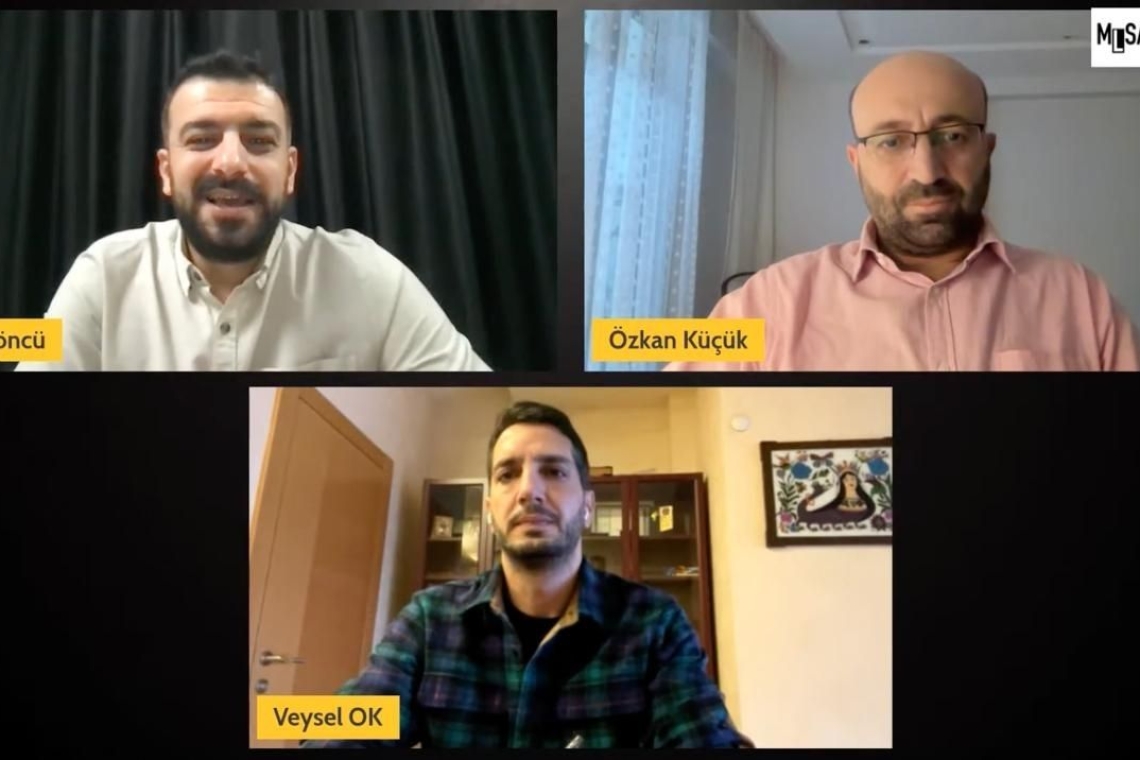
All these questions were answered by the film’s director Özkan Küçük and MLSA Co-Director Attorney Veysel Ok on the program Çetele with Onur Öncü.
Speaking about the banning process of Rojbash, which was effectively banned and whose ban was lifted after a lawsuit filed by MLSA, MLSA Co-Director Veysel Ok said:
“There is only one reason for the banning of the film: that it is in Kurdish. You cannot find any other reason for its banning.”
Emphasizing that censorship would affect not only the current project but also future works, Ok used the following expressions:
“Once the door to censorship is opened, you no longer have the possibility of closing it. In this respect, solidarity is very important.”
The screenwriter and director of Rojbash, Özkan Küçük, described the process as follows:
“We worked for five years on the film Rojbash. While trying to find a space to bring the film to the audience, it was suddenly banned. This is something that seriously undermines motivation.”
The ban has been lifted, but discussions continue. So, was sufficient solidarity shown during the banning process? Özkan Küçük answered this question as follows:
“The only reason I did not see sufficient support from the Turkish public regarding this ban and lawsuit process is that I made a Kurdish film.”
Click to watch the full episode of Çetele with Onur Öncü.