

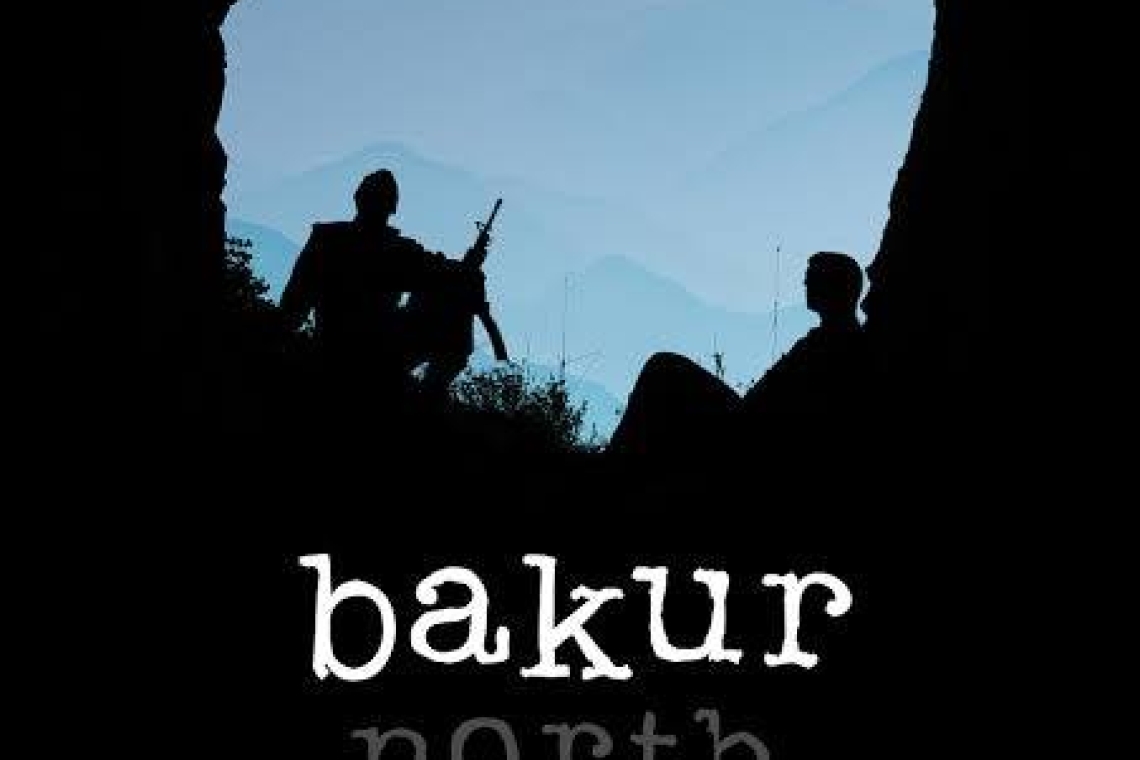
MLSA – Documentary filmmaker Koray Kesik is being tried on charges of “making terrorist propaganda” due to his involvement in the 2013 documentary Bakur. The first hearing in Kesik’s case will take place on April 2, 2026, at the 2nd High Criminal Court in Batman, a city in southeastern Turkey.
An investigation into Kesik was launched on April 24, 2024, by the İzmir Chief Public Prosecutor’s Office. On the same day, during a search conducted at his home in Urla, a coastal town near İzmir in western Turkey, digital materials and a book titled Bakur Notes authored by Bakur’s director Ertuğrul Mavioğlu were confiscated. Kesik is represented in the case by the Media and Law Studies Association (MLSA).
Kesik was detained on May 2, 2024, and held in custody for four days. During the first 24 hours, his right to consult with his lawyer was restricted.
Following his detention, Kesik was referred to the Criminal Judgeship of Peace with a request for his arrest. He was released under judicial control measures, including an international travel ban.
Unable to attend international events due to travel ban
Because of the travel ban imposed as part of the judicial control measures, Kesik was unable to attend numerous international events, including an invitation to a screening of the documentary at the Maxim Gorki Theater in Germany. Appeals challenging the travel ban were rejected, and the restriction has remained in place for nearly two years.
What evidence is cited in the indictment?
The indictment, prepared on October 23, 2025, cites Kesik’s travels related to the filming of the documentary, digital materials seized during the house search, his social media posts, and the content of the Bakur documentary as evidence.
Although a previous court ruling had rejected a request to ban and confiscate the book Bakur Notes found during the search, the book was still included as evidence against him in the indictment.
Criticism from the arts and film community
Kesik’s detention drew criticism from the documentary film and arts community. Numerous individuals and organizations, including founders of the Documentary Filmmakers Association, condemned the prosecution of Kesik for his professional work and called for his release.
Expert opinions: “This is a documentary, not propaganda”
Expert opinions submitted to the court by Article 19 and BSB Cinema Work Owners Professional Union stated that Bakurcontains no incitement to or praise of violence and that the film is a documentary conveying social realities, not a propaganda tool. Experts emphasized that the case should be evaluated within the scope of freedom of expression.
What is the Bakur documentary about?
The Bakur documentary focuses on the PKK’s withdrawal process from Turkey during the period known as the “resolution process,” which began in 2013. The film features the daily lives of PKK members in the mountainous regions of southeastern Turkey, their views on the withdrawal process, and narratives about the role of women within the organization.
Filmed between 2013 and 2015, the documentary was released in 2015 and went on to receive awards at numerous national and international festivals.
Directors’ case pending at the Court of Cassation
In a separate case, Bakur’s directors Ertuğrul Mavioğlu and Çayan Demirel were convicted, and the verdicts were upheld by the Regional Court of Appeals. Their case is currently under review at the Court of Cassation, Turkey’s highest court of appeal.
30-year documentary veteran on trial
Koray Kesik is a cinematographer who has worked in the field of documentary cinema since the early 1990s. He began his career in 1993 at VTR Research & Production. Over the years, he has worked as a cameraman and cinematographer on numerous documentaries focusing on Turkey’s social, cultural, and historical issues. His work has been screened at both national and international festivals, and he is regarded as one of the prominent contributors to the country’s documentary film sector.