
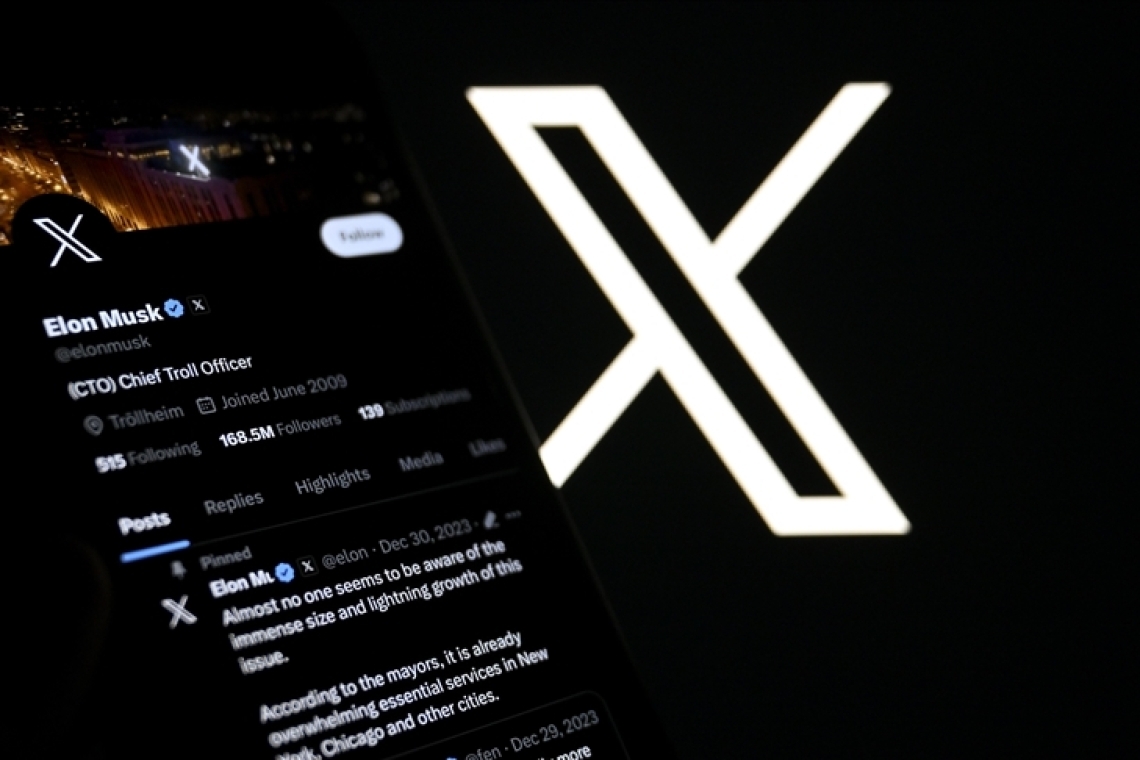
Social media accounts belonging to at least 49 journalists and news outlets have been blocked in Turkey since January 2026, often without explanation, raising fresh concerns over press freedom and access to information in the country.
Journalists say the restrictions are part of a broader pattern of digital censorship, with several recent cases highlighting the trend. Over the past week alone, one journalist was arrested while the social media accounts of two journalists and two news agencies were blocked.
Mahmut Bozarslan, a journalist whose X account was shut down after 17 years of use, said neither he nor his lawyers were formally notified of the decision. He said he would pursue legal action once the court ruling is officially delivered.
“Censorship is an outdated method, and those who rely on it cannot achieve their goals,” Bozarslan said, adding that journalists are routinely targeted because their reporting displeases certain groups. “This is not only about those in power; even content that an ordinary citizen dislikes can become grounds for blocking through court decisions.”
Growing pressure and legal challenges
Turkey has faced longstanding criticism from international organizations over restrictions on press freedom, with journalists frequently subjected to arrests, investigations, and legal pressure. In response to the latest wave of account blocks, affected journalists have begun filing legal appeals.
Journalists Mahmut Bozarslan and Arif Bulut have both challenged the access restrictions, while Medine Mamedoğlu took her case to Turkey’s Constitutional Court after her appeal was rejected.
Mamedoğlu’s Instagram account was blocked in February under a ruling by the Ankara 11th Criminal Judgeship of Peace. Her objection was dismissed by the Ankara 12th Criminal Judgeship of Peace, which said there was no fault in the original decision. Her lawyer, Zilan Esen, argued that the ruling violates both press freedom and freedom of expression.
Calls to keep digital censorship on the agenda
Bozarslan said that while journalists and professional organizations are under immense pressure, not enough attention is being paid to digital censorship.
“In an environment where journalists are arrested daily, threatened, or even risk their lives, blocked social media accounts may seem secondary,” he said. “But that doesn’t mean we should stop talking about it. Digital censorship must remain on the agenda.”
He suggested that journalist organizations could support affected reporters by amplifying their new accounts after bans.
Bozarslan also warned that such restrictions limit the public’s right to access information. With much of Turkey’s traditional media widely seen as pro-government—he estimated about 90%—social media has become a crucial platform for diverse news coverage.
“If these platforms are also restricted, where will people get their news?” he asked, calling on the public to oppose censorship and support journalists.
Kurdish media disproportionately affected
Journalist Arif Bulut said Kurdish media outlets and journalists have been hit hardest by the restrictions.
He noted that the X accounts of outlets such as Mezopotamya Agency, Yeni Yaşam newspaper, and JinNews are frequently inaccessible, complicating journalists’ ability to follow developments.
“This creates a serious contradiction,” Bulut said. “On one hand, there are ongoing political discussions about the Kurdish issue. On the other, the primary sources of information on this topic are systematically blocked.”
Bulut called for greater solidarity and concrete action against censorship, emphasizing that Kurdish journalists—who have long faced detention, violence, threats, and exile—are now also navigating increasing digital restrictions.
He added that despite limited attention from major media centers such as Istanbul and Ankara, Kurdish journalists have developed experience in resisting access bans and could play a key role in broader efforts to challenge them.
Experts and journalists warn that as digital platforms become the last major space for independent reporting in Turkey, continued restrictions could further narrow the public’s access to diverse and independent news coverage.