

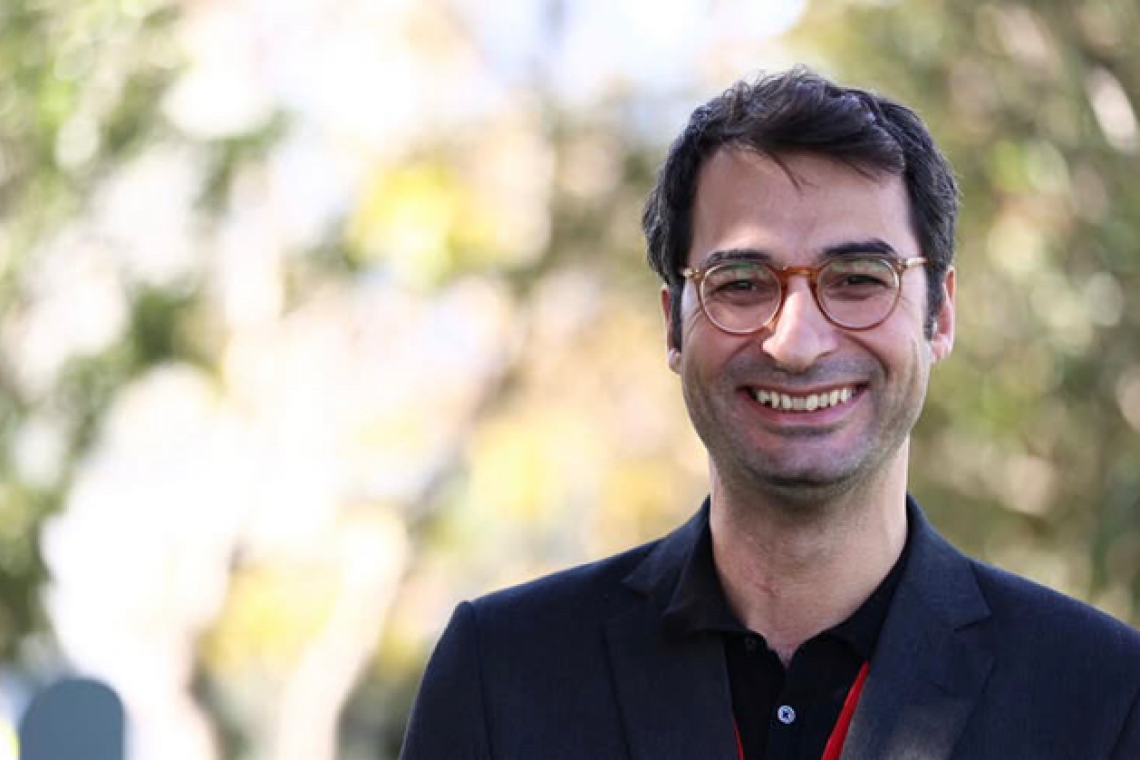
In the case filed against Cumhuriyet newspaper columnist Barış Terkoğlu over his article titled “The stench from the Kartalkaya file,” the first hearing was postponed without being held because the presiding judge was on leave. The substitute judge merely opened and closed the case file; the next hearing was scheduled for five months later.
Semra Pelek
On the morning of December 11 at the Istanbul Courthouse, the hearing of a case once again bringing journalism and the judiciary together in Turkey was postponed within a few minutes, without any procedural action being taken.
The first hearing of the trial in which Cumhuriyet columnist Barış Terkoğlu is being prosecuted over his column titled “The stench from the Kartalkaya file,” published on February 10, was scheduled to take place at the Istanbul 2nd Criminal Court of First Instance. However, because the presiding judge was on leave, the case was reviewed only on paper by the substitute judge and postponed for five months.
No testimony was taken, and no assessment was made. The file was opened and closed. The next hearing is set for May 14, 2026. These kinds of postponements coinciding with dates such as official holidays and end-of-year leave periods in the court calendar are criticized in terms of the right to a fair trial.
On the surface, the case targets Terkoğlu’s newspaper column. But at a deeper level, it involves the boundaries of journalism and the flexibility of freedom of expression.
The investigation was launched following a complaint by Bolu Chief Public Prosecutor İbrahim Cansever. Cansever claimed that Terkoğlu associated both him and his wife with the Fethullahist Organization (FETÖ), and made concrete criminal allegations against them, both in his article and in a television program he appeared on the same day.
In the indictment prepared by the prosecutor’s office, the statements in question were argued to constitute “defamation via the press.” Terkoğlu was also charged with “successive insult,” on the grounds that he had repeated similar allegations across various platforms.
However, the article was not limited to accusations against individuals. It also addressed public issues such as the failure to advance the investigation into the Kartalkaya fire, the alteration of expert reports, and alleged pressure on members of the judiciary.
The case is a new example of files that open up discussion on the boundaries of freedom of expression and the right to criticize public power.
Debate over reasonable time
Article 6 of the European Convention on Human Rights (ECHR) guarantees everyone “the right to a fair and public hearing within a reasonable time.”
The European Court of Human Rights takes into account criteria such as the complexity of the case, the behavior of the defendant, the diligence of the judicial authorities, and the impact of the case on the individual when assessing whether the time frame is reasonable.
In Turkey, criminal hearings are generally held every three months. However, in cases like Terkoğlu’s, intervals between hearings can reach five months. According to legal experts, especially in cases involving freedom of expression and press freedom, long intervals between hearings can create additional pressure on the defendant.